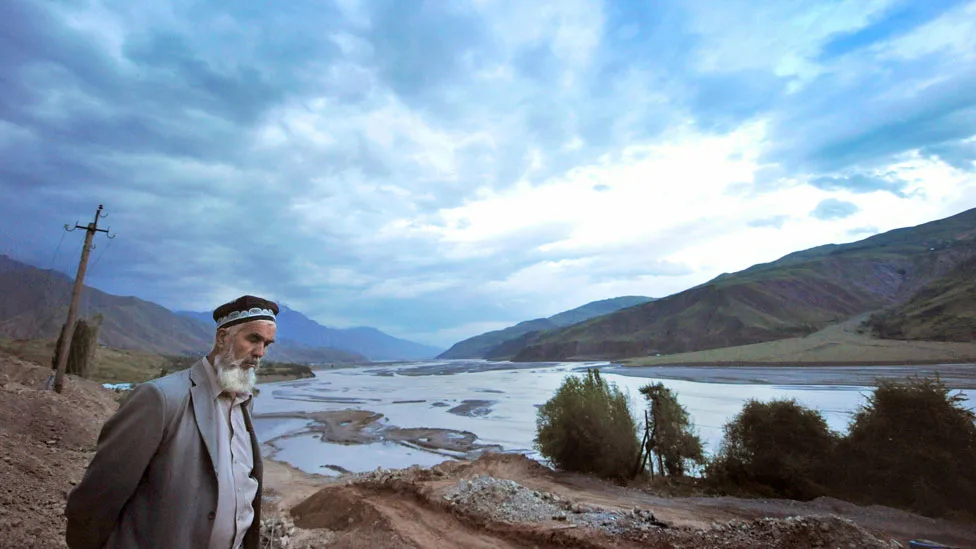
In this paper, we discuss:

  • Why water, rather than fossil fuels or military power, remains central to Central Asia’s geopolitical stability;
  • How the collapse of Soviet-era coordination intensified tensions between upstream hydropower and downstream agricultural states;
  • How China, Russia, and Western powers use infrastructure investment to compete for influence across the region;
  • Why major dam projects such as Rogun and Kambarata have become symbols of sovereignty as well as instruments of regional leverage;
  • How climate change and glacial retreat make renewed regional cooperation increasingly important for Central Asia’s long-term stability.

Download PDF: Water – August 2026

Your email address will not be published. Required fields are marked *